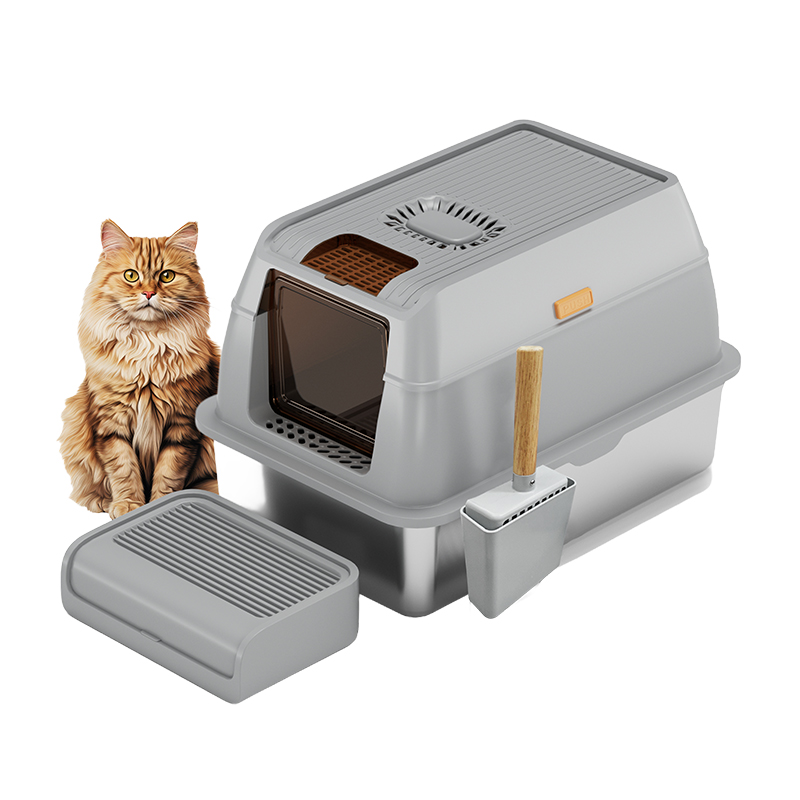
Cats are naturally fastidious creatures, and their use of a litter box stems from deeply ingrained instincts. Understanding these habits is key to a harmonious home for both you and your pet.
- The Buried Instinct: Hiding Their Scent
In the wild, cats bury their waste to hide their scent from potential predators and rivals. The domestic cat retains this powerful instinct. When a cat scratches and covers its waste in the litter box, it is following this innate behavior to feel secure and avoid drawing attention to itself.
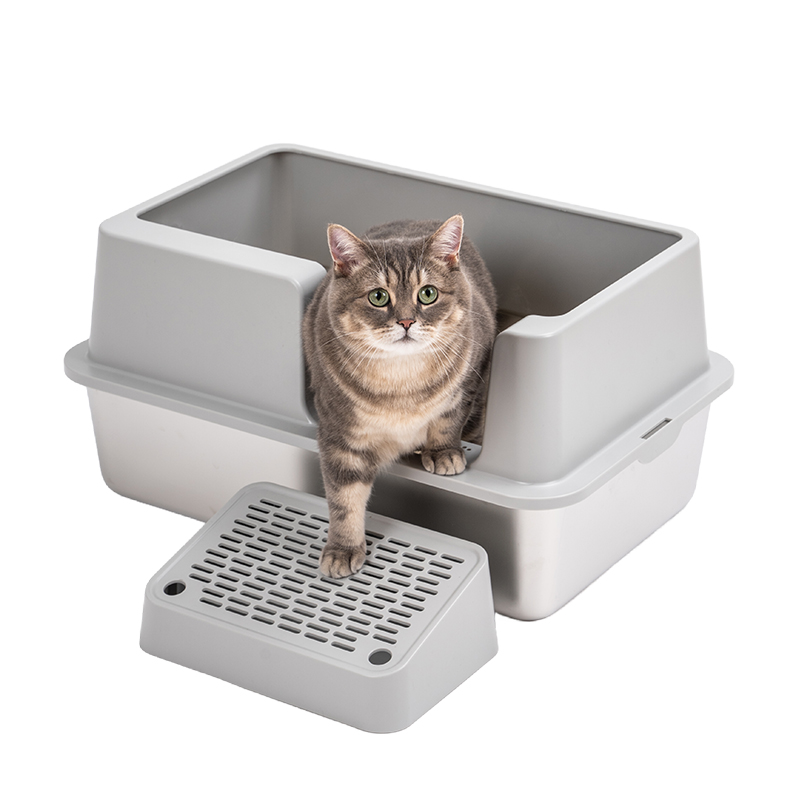
- The Importance of Substrate: Texture and Depth
Cats generally prefer a soft, sandy, and granular material that is gentle on their paws and easy to dig in. This is why most commercial cat litters are designed to mimic the texture of sand or soft soil. The litter should also be deep enough (typically 2-3 inches) to allow for adequate digging and covering.
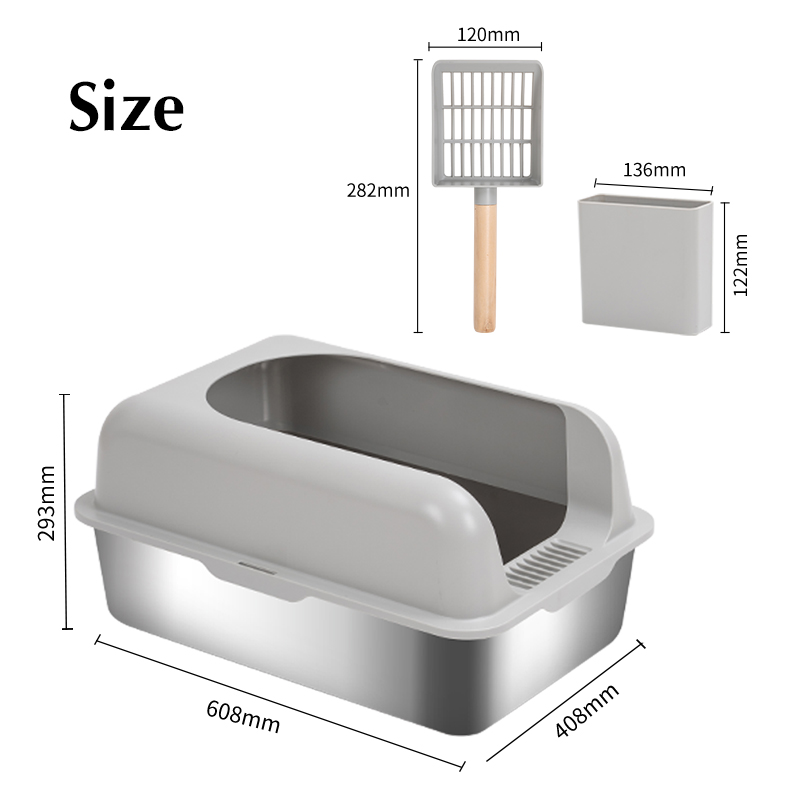
- Location, Location, Location: Privacy and Accessibility
A cat’s litter box must be placed in a quiet, low-traffic, yet easily accessible location. Just like humans, cats value privacy during elimination. A loud or busy area, such as next to a washing machine or in a main hallway, can cause stress and lead a cat to avoid the box entirely.
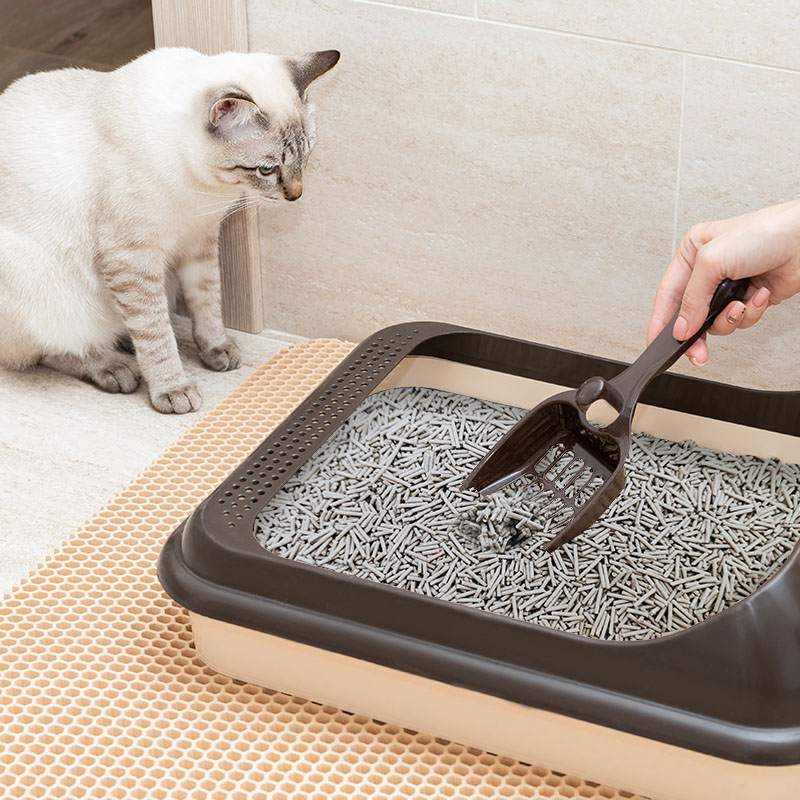
- Unwavering Cleanliness: The Demand for a Tidy Space
Cats have a highly sensitive sense of smell and an inherent desire for cleanliness. A dirty litter box is one of the most common reasons for a cat to start eliminating outside the box. To encourage consistent use, it is crucial to scoop waste daily and perform a full litter change and box cleaning regularly.
- A Sign of Health: Behavioral Changes as a Red Flag
A sudden change in litter box habits, such as avoiding the box, straining to urinate, or going more or less frequently, is often the first sign of a medical issue. Conditions like Urinary Tract Infections (UTIs), bladder stones, or kidney problems can cause pain and associate the litter box with discomfort. Any significant change warrants an immediate visit to the veterinarian.