
Global Cat Litter Market Sees Robust Growth, Driven by Premiumization and Subscription Services
The global cat litter market is experiencing significant expansion, with projections indicating steady growth fueled by rising pet ownership and consumer demand for high-quality products. According to industry reports, the market, valued at $5.1 billion in 2024 , is expected to reach $8.6 billion by 2034 , growing at a 5.5% CAGR . This trend reflects the increasing prioritization of pet health and hygiene, particularly in urban areas where cats are popular companions for their low maintenance needs.
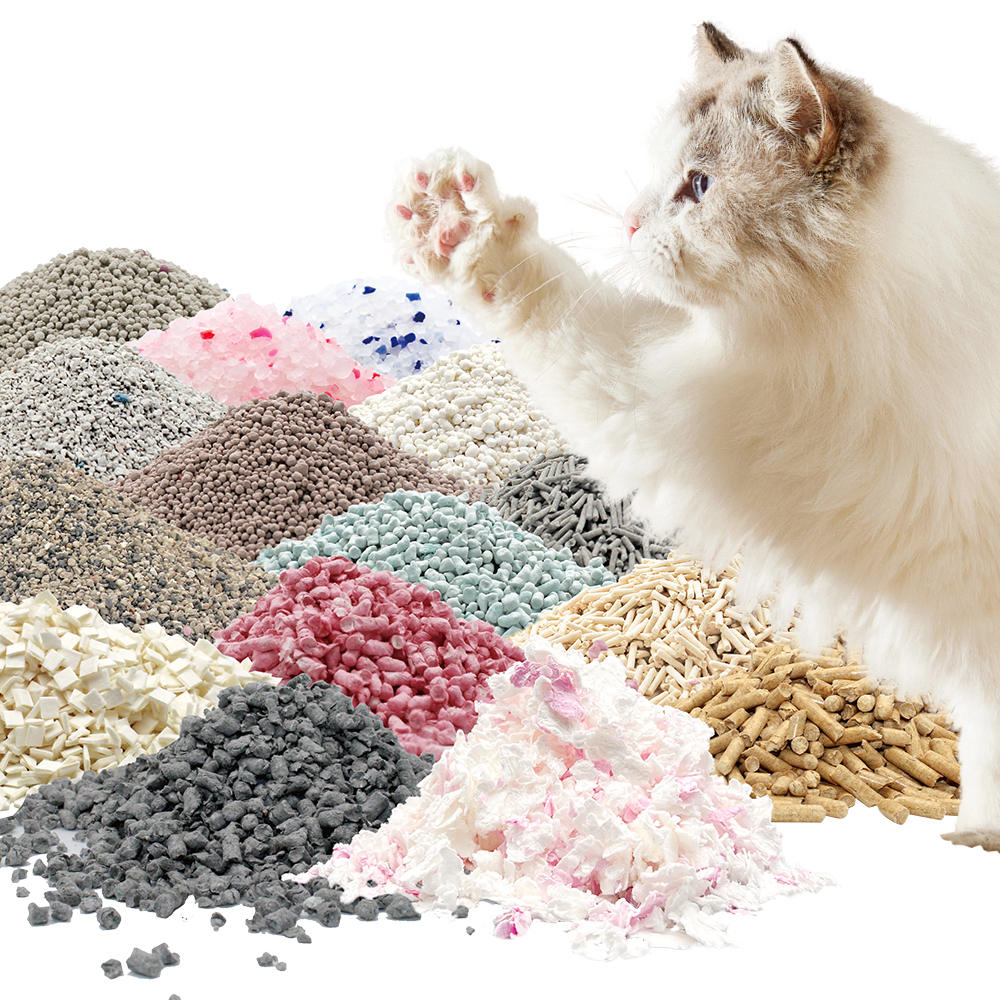
Key Growth Drivers :
- Premiumization Gains Traction: Cat owners are increasingly opting for premium-priced litters, with products in the $50+ price range seeing the fastest growth in market share. In China, for example, the share of cat litter priced over $50 surged from 34% in 2023 to 45% in 2025 . Consumers prioritize features such as clumping efficiency, dust reduction, and eco-friendly materials , driving demand for mineral and plant-based litters.

- Subscription Models Reshape Purchasing Habits: Subscription-based cat litter delivery services are gaining popularity for their convenience. Companies like *Kitty Poo Club* and *PrettyLitter* capitalize on this trend, offering regular shipments of specialized litters (e.g., clumping, natural, or low-dust variants) directly to consumers’ doors. This model addresses the need for hassle-free replenishment and aligns with the broader shift toward e-commerce, which accounts for 25% of pet product sales in regions like China.
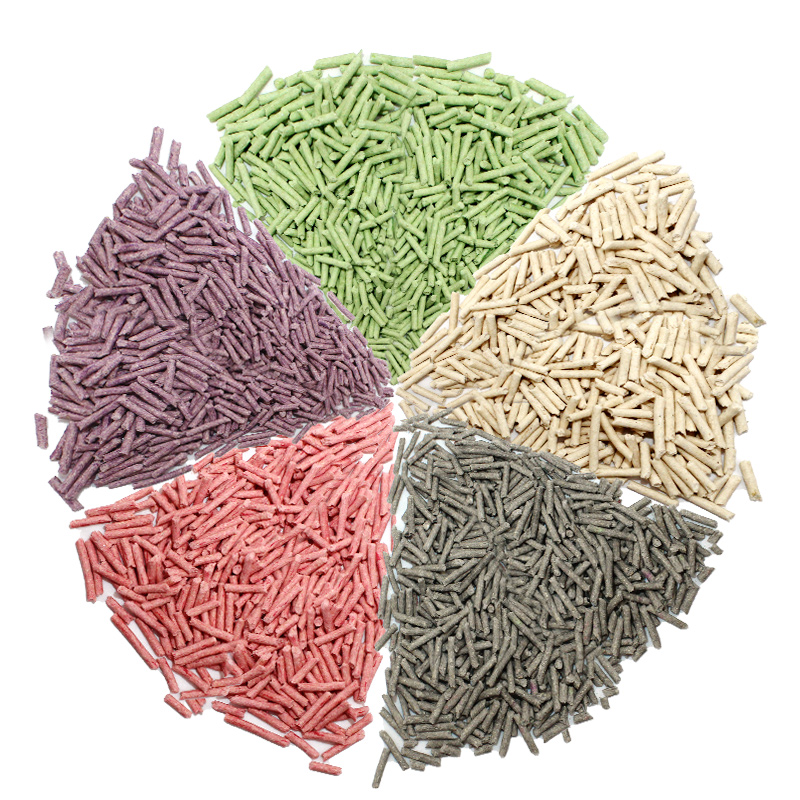
- Health and Environmental Concerns Fuel Innovation: Growing awareness of pet health and sustainability is reshaping product development. Clay-based litters , which dominate 80.4% of the market , are now being supplemented with biodegradable alternatives made from corn, recycled paper, or wood chips. Additionally, brands are emphasizing odor control, low tracking, and hypoallergenic properties to meet owner expectations for safety and comfort.
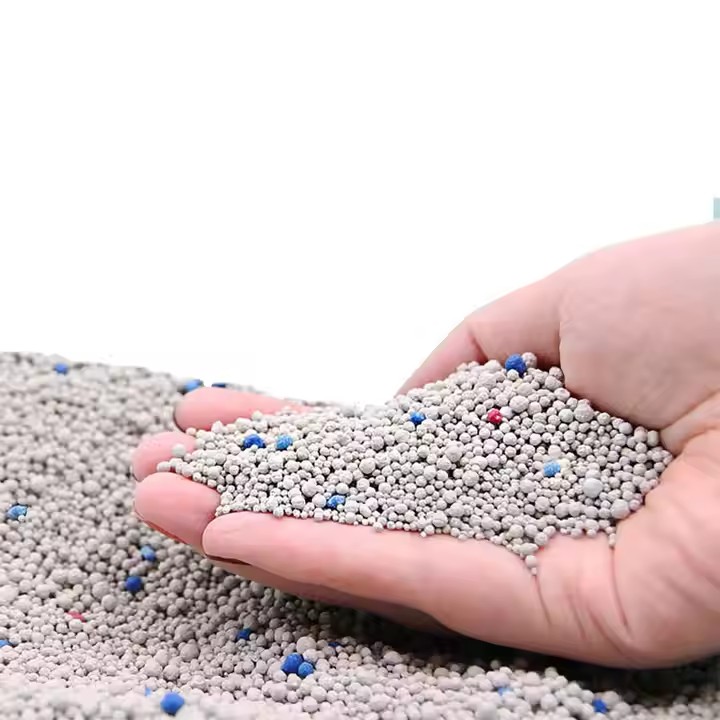
The market’s momentum underscores a broader shift toward “pet humanization,” where owners treat pets as family members and invest in products that ensure their well-being. With North America leading 40.4% of global sales and Asia-Pacific emerging as a high-growth region, manufacturers are focusing on innovation and accessibility to capture new opportunities.
