
Multi-cat households place much higher demands on cat litter than single-cat homes. Increased usage, mixed waste, and shared litter boxes all make odor control, absorption speed, and cleanliness critical factors.
First, fast clumping and high absorption are essential. In homes with multiple cats, urine accumulates quickly. A cat litter that absorbs moisture instantly and forms firm clumps helps prevent urine from spreading to the bottom of the litter box, reducing long-term odor buildup and making daily cleaning more efficient.
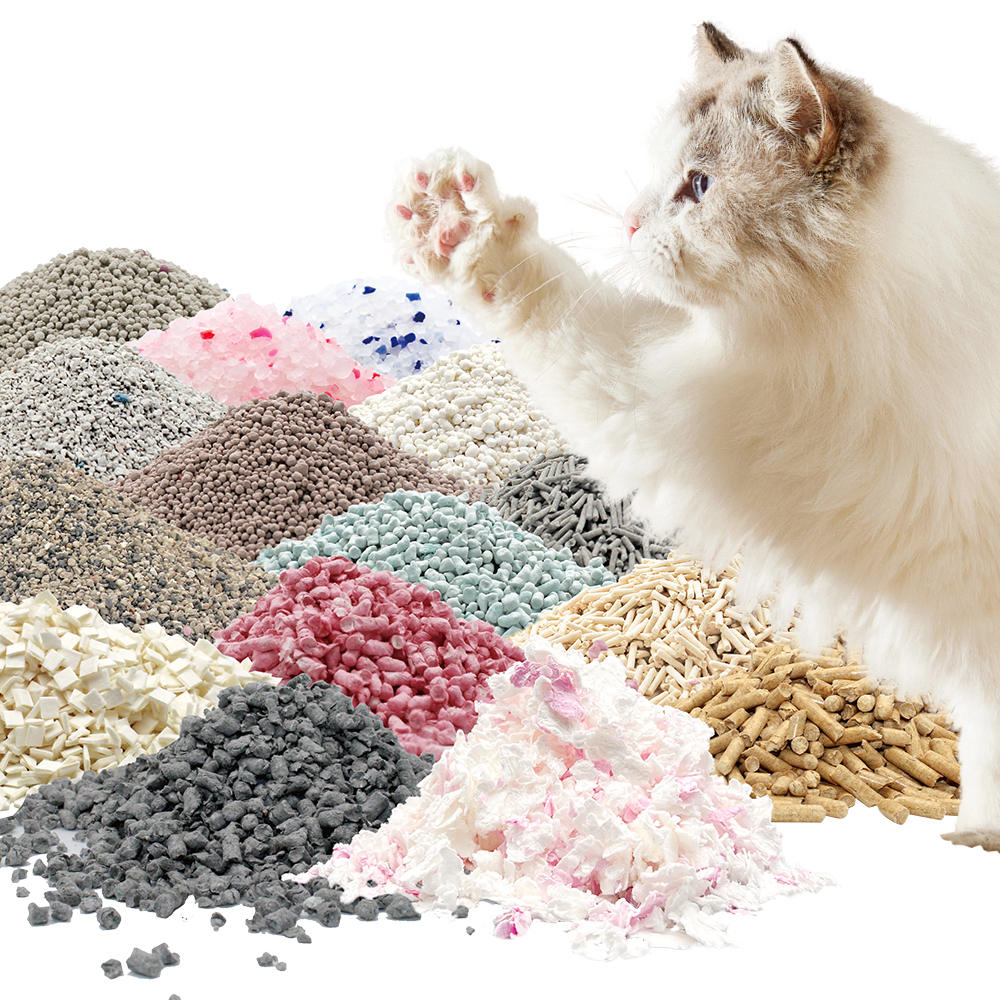
Second, odor control must be long-lasting, not masking. Multi-cat environments require litter that neutralizes odors at the source rather than relying on strong fragrances, which many cats dislike. Natural mineral-based or plant-based litters with porous structures can effectively trap ammonia odors while remaining gentle and non-irritating.

Third, low dust and low tracking are especially important. More cats mean more movement around the litter box. Excess dust can affect indoor air quality, while tracking leads to frequent cleaning throughout the home. Uniform granules with controlled particle size help reduce mess and maintain a cleaner living space.
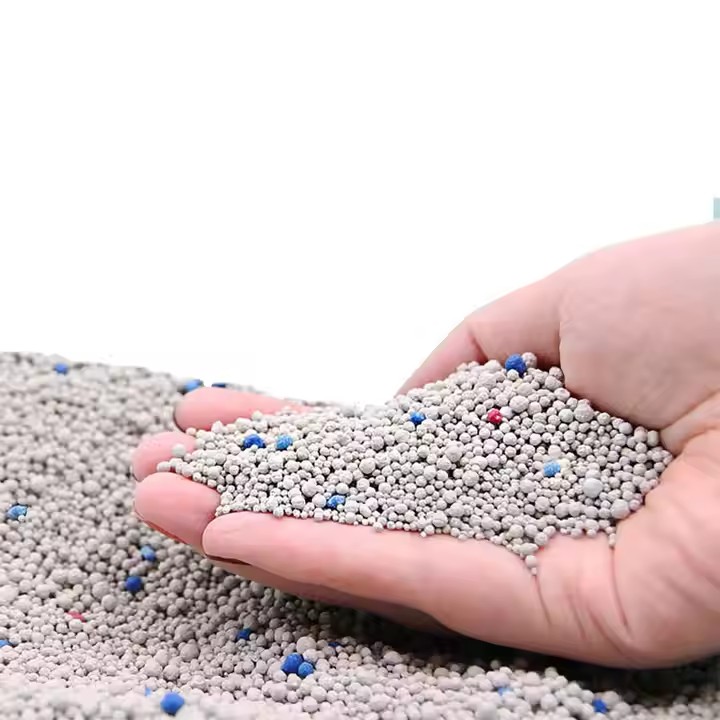
Finally, consistency matters. Cats are creatures of habit, and sudden changes in litter texture or scent can cause stress or litter box avoidance. A stable, natural litter that all cats can accept helps maintain harmony and healthy litter box habits in multi-cat households.
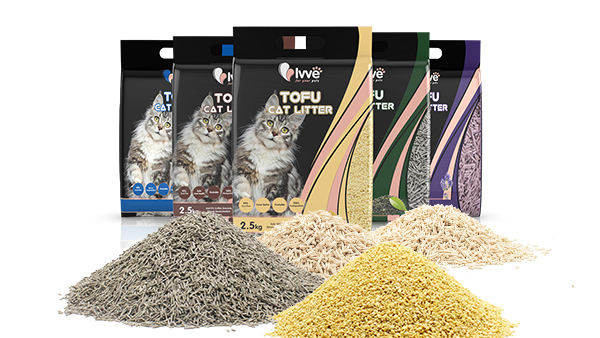
Choosing the right cat litter is not just about convenience — it directly affects cleanliness, comfort, and the well-being of every cat in the home.
