
Ⅰ. Why Material Choice Matters More Than the Label on the Bag
The phrase “eco-friendly cat litter” covers a surprisingly wide range of products. Paper litter, tofu litter, cassava-based litter and zeolite litter are often grouped together because they offer alternatives to conventional clay products, but they do not behave the same way in a litter box, in a factory or in a shipping container. For an importer or private-label brand, that distinction matters. A material that looks attractive in a marketing presentation can create complaints if its clumping style, dust level, tracking behavior or density does not match what local consumers expect.
From our side as a cat litter manufacturer with seven years of experience and a business focused mainly on export markets, we normally start material discussions with the target market rather than the raw material itself. A buyer selling through supermarkets in Europe may care about lightweight packs, sustainability language and shelf presentation. A distributor in the Middle East may put odor control and storage stability first. An online-first brand may care more about parcel weight and customer reviews. The “best” material is therefore not universal. It is the material that fits the intended channel, price position and user habit.
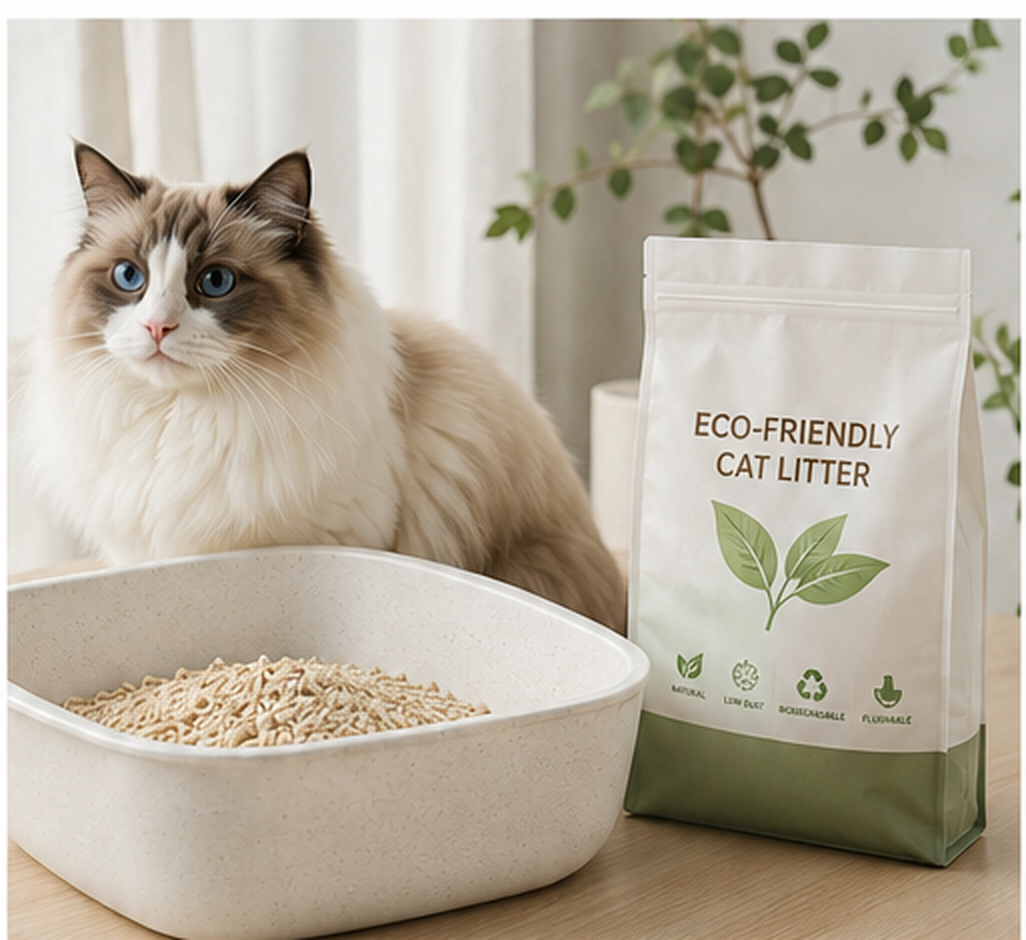
Figure 1. Eco-friendly cat litter positioning for modern retail markets.
Ⅱ. Paper Cat Litter: Lightweight, Clean-Looking and Easy to Position
Paper cat litter is usually made from processed paper fiber formed into pellets or granules. Its most obvious commercial advantage is weight. Compared with dense mineral litter, paper-based products can feel noticeably lighter in the hand, which helps with consumer handling and can improve the perceived convenience of larger-volume packs.
There are several different paper-litter concepts in the market. Some products are non-clumping and designed mainly for absorption. Others are formulated to clump. Specialized versions may use pH-sensitive or color-changing functions, while some use wood-derived components or odor-control additives. That means a buyer should not treat “paper litter” as one fixed specification. Fiber source, pellet hardness, moisture level, particle size and additive system can all change the user experience.
Paper litter also has a particular visual identity. White or light-colored granules can support a clean, medical or premium positioning, while natural gray or recycled-fiber colors may support a sustainability story. The trade-off is that lighter-colored products show contamination and production inconsistency more easily, so raw-material control and sorting matter. Packaging also deserves attention because paper products can absorb ambient moisture if barrier performance is weak.
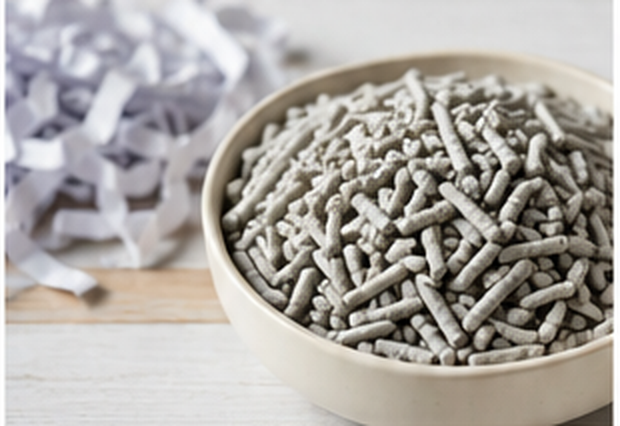
Figure 2. Paper cat litter with a lightweight pellet structure.
Ⅲ. Tofu Cat Litter: The Most Familiar Plant-Based Option for Many Buyers
Tofu cat litter has become one of the most recognizable plant-based litter categories in international trade. It is commonly produced from plant fiber and starch-based binders, then extruded into small cylinders. Buyers like it because it combines a plant-based story with clumping performance and relatively low bulk density.
Performance depends heavily on formulation. Two tofu litters that look almost identical can behave very differently when exposed to urine. Binder level, fiber composition, particle diameter, drying condition and residual moisture all affect clump formation and breakage. A good purchasing discussion therefore needs more than a color and fragrance selection. We normally look at how quickly the granules wet, whether the clump can be lifted without collapsing, how much fine powder develops during transport and how the product behaves after a bag has been opened for several weeks.
Another point is consumer expectation. Tofu litter is often marketed around convenience and plant origin, but claims such as “flushable” should be handled carefully because local wastewater rules, plumbing conditions and disposal guidance differ by market. A brand should use claims that it can support in its own destination country rather than copying wording from another market.
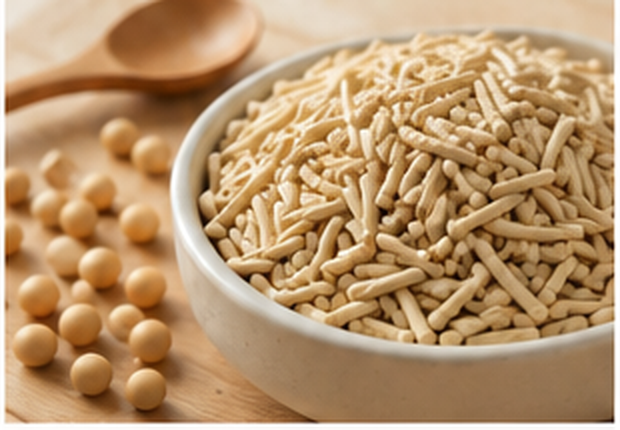
Figure 3. Tofu cat litter with a plant-based pellet structure.
Ⅳ. Cassava Cat Litter: Strong Formulation Potential, but Not a One-Line Substitute
Cassava is interesting because its starch content can provide useful binding behavior. In cat litter, cassava-derived ingredients may be used as a major component or as part of a mixed plant-based formula. From a product-development perspective, it gives formulators another way to adjust clumping texture, breakdown behavior and surface feel.
The important point for buyers is that “cassava litter” can describe different constructions. Some are predominantly cassava-based, while others combine cassava with tofu fiber, corn-derived ingredients or mineral components. Because of that, product evaluation should focus on the finished formula rather than the front-of-pack material name. Ask for a sample and test actual clump strength, liquid absorption, odor retention and dust after transport simulation.
Cassava-based products can support a modern natural-material story, but sourcing consistency and formula stability are critical. Starch-rich systems can be sensitive to moisture. If drying is incomplete or packaging barrier performance is poor, storage performance may suffer. For export orders that spend weeks in ocean transit, this is a practical manufacturing issue rather than a marketing detail.
Ⅴ. Zeolite Cat Litter: A Different Type of Eco-Positioning
Zeolite is a naturally occurring porous mineral known for adsorption and ion-exchange characteristics. In cat litter, it is often associated with odor-management concepts rather than the same plant-based biodegradability story used for tofu or paper. This distinction matters. A buyer should not group zeolite and plant-fiber litter under identical environmental claims.
Commercially, zeolite can be used as a primary litter material or as a functional component in blends and companion products. Its porous structure can support odor adsorption, while granule engineering influences dust, tracking and feel. Depending on the design, zeolite products may appeal to consumers who want mineral performance with a different composition from traditional bentonite.
For importers, the key questions are particle uniformity, dust generation, density and how the product is meant to be used. A stand-alone zeolite litter, a deodorizing additive and a mixed formula are three different products even if all contain zeolite. Packaging instructions need to make that clear so consumers use the product correctly.
Ⅵ. How Importers Should Compare the Four Materials
A useful comparison starts with six questions. First, does the local customer expect hard clumps or is absorption enough? Second, how sensitive is the market to dust and tracking? Third, what pack weight is acceptable at retail and for e-commerce delivery? Fourth, what environmental claims are legally and technically appropriate? Fifth, how long will the product remain in storage? Sixth, what price position does the brand need to occupy?
Paper generally stands out for lightweight handling and distinctive appearance. Tofu is strong where consumers already understand plant-based clumping litter. Cassava gives formulators flexibility and can support newer natural-material concepts. Zeolite offers an adsorption-focused mineral platform and can work well in functional or mixed products. None of these points automatically makes one material superior.
We also advise buyers to compare products by usable performance per pack rather than only by price per kilogram. Low-density litter may look more expensive on a weight basis but provide a larger selling volume, lower consumer carrying weight or different freight economics. Dense products may offer a different cost structure. The correct comparison depends on how the product will actually be sold.
Ⅶ. OEM Development: Where Many “Material” Decisions Are Really Made
In private-label projects, the raw material is only the start. Granule size, fragrance, color, moisture target, bag structure, pack volume and outer-carton design all affect the finished SKU. A buyer may begin by asking for “tofu litter” and eventually decide on a mixed formula because it gives a better balance of clumping, dust and landed cost. Another buyer may begin with a paper product but need a stronger moisture barrier in the bag because of humid warehouse conditions.
This is why sample evaluation should be structured. Use the same liquid volume, the same waiting time and the same scoop method when comparing candidates. Record clump integrity, residue, dust and odor after repeated use. If several people test samples, use one scoring sheet. Simple discipline at the sample stage prevents subjective arguments later.
For OEM work, we also recommend deciding the commercial position before finalizing the formula. A mass-market supermarket SKU, a premium natural-material brand and a specialty functional litter do not need the same product. Formula development becomes much easier once the target shelf position is clear.
Ⅷ. Conclusion: Match the Material to the Market
Eco-friendly cat litter is no longer one narrow category. Paper, tofu, cassava and zeolite each solve different problems and support different brand stories. The practical buying decision is to match material behavior with consumer habit, logistics and positioning, then verify the result with controlled sample testing.
For importers and private-label brands, the safest route is not to chase the newest material name. Start with the target market, define the required litter-box performance, confirm the claims you can legally use and then choose the formula that fits. That approach usually produces a more stable product and a clearer reason for the consumer to buy it.
Ⅸ. Buyer FAQ
Can the formula be customized for private label?
Yes. The practical scope depends on the material platform, target performance, packaging format and production requirements. Customization should be confirmed through samples before mass production.
What should a buyer test before approving a sample?
At minimum, compare clumping, dust, odor, tracking, granule condition and packaging suitability under consistent test conditions.
Should environmental claims be copied from other markets?
No. Disposal, biodegradability and flushing language should match the actual formula and the rules or guidance in the destination market.
Why is packaging part of product quality?
Cat litter is heavy or bulky and can be moisture-sensitive. Seal strength, film structure and outer packing affect how the product arrives and performs after storage.
What is the best way to prepare for repeat orders?
Keep the approved sample reference, product specification, packaging version and QC expectations under version control, then review customer feedback before reordering.
